-

-
Ivory Experts
IVORY APPRAISAL, IDENTIFICATION AND PRE-BAN CERTIFICATION
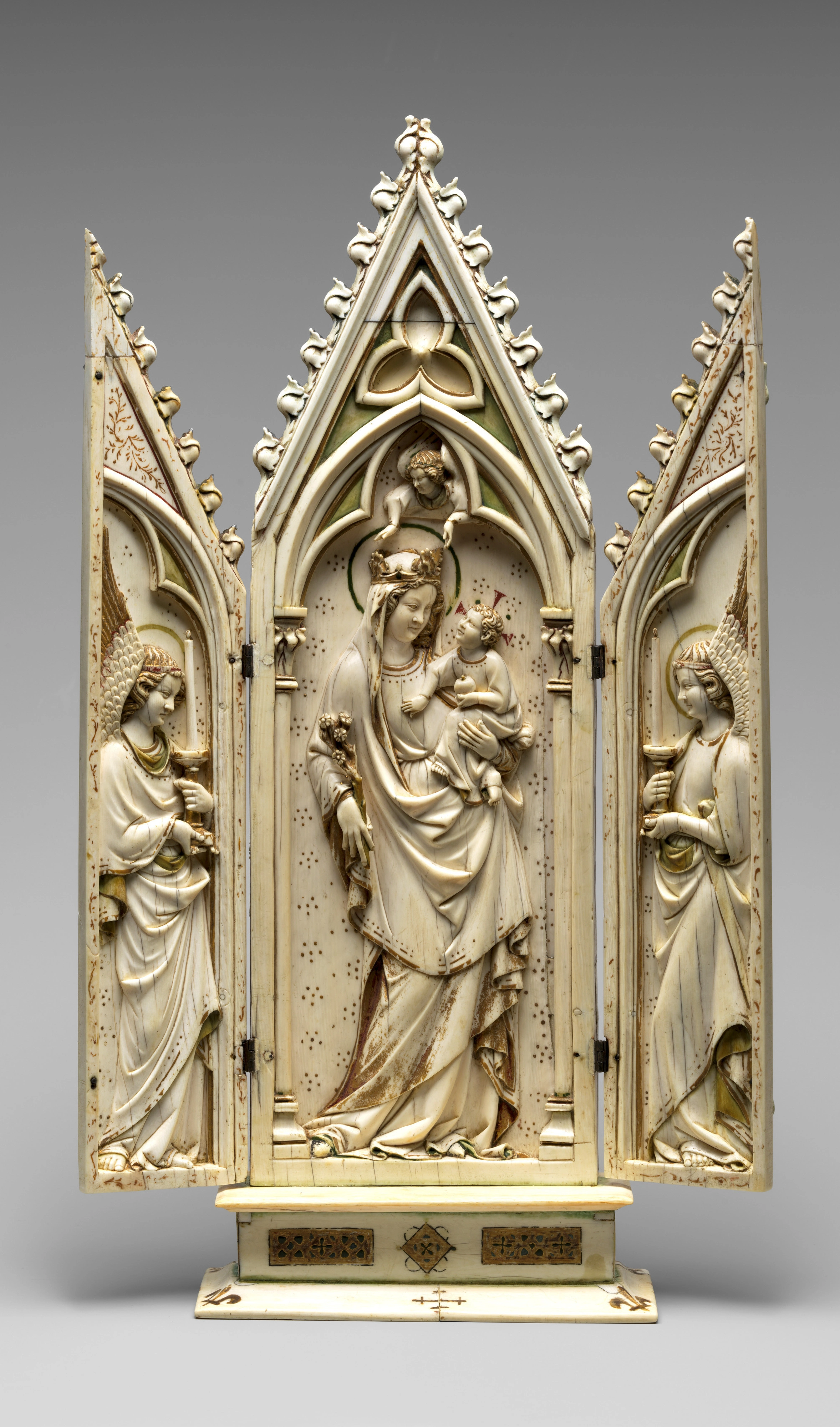
Ivory Experts consists of a group of art historians and appraisers with many years of experience researching famous ivory carvers, authenticating their works, dating ivory pieces, and appraising their value.
Federal Ivory Regulations
A crucial question today when considering selling, buying, or shipping ivory to another state or country is: When was it carved? The Convention on International Trade in Endangered Species of Wild Fauna and Flora (CITES) was signed in 1973 and entered into force on July 1, 1975, with the United States serving as an original signatory. On January 18, 1990, the African elephant was placed on Appendix I of CITES, which imposed the strictest trade restrictions and effectively prohibited most international commercial trade in African elephant ivory. On July 6, 2016, a near-total ban on commercial trade in African elephant ivory went into effect in the United States.
Important
Federal law imposes an absolute ban on the sale of raw ivory, including raw tusks, across state lines.
It is also generally unlawful to sell elephant ivory tusks, even when those tusks were personally and legally hunted.
Several states maintain regulations that are more restrictive than federal law.
STATES WITH ADDITIONAL IVORY RESTRICTIONS
- California:The sale and purchase of all ivory types (including elephant, rhinoceros, and mammoth ivory) are generally prohibited.
- District of Columbia: Restrictions apply to both rhinoceros horn and ivory.
- Hawai‘i: Regulations include elephant ivory, walrus ivory, and mammoth ivory.
- Illinois: Restrictions apply to both ivory and rhinoceros horn.
- New Hampshire: Elephant ivory is regulated, with a limited exception for de minimis ivory in firearms and knives.
- New Jersey: Regulations apply to both elephant ivory and mammoth ivory.
- New York: Antique ivory exceptions exist; otherwise, there is a near-total ban on elephant ivory and mammoth ivory.
- Nevada: Elephant ivory, walrus ivory, and mammoth ivory are specifically referenced in the statute.
- Oregon: Regulations apply to elephant ivory, rhinoceros horn, and other protected mammals listed in the statute.
- Vermont: Restrictions apply to elephant ivory and rhinoceros horn.
- Washington State: Elephant ivory, rhinoceros horn, and other protected mammal materials are prohibited for sale.
IMPORTANT NOTICE REGARDING INTERSTATE SALES
The sale of African elephant ivory items across state lines (interstate commerce) is prohibited except for items that qualify as ESA antiques.
DE MINIMIS EXCEPTION REQUIREMENTS
To qualify for the federal de minimis exception for African elephant ivory, a manufactured or handcrafted item must meet all of the following criteria:
- If the item is located within the United States, the ivory was lawfully imported into the United States prior to January 18, 1990, or was imported under a valid Convention on International Trade in Endangered Species of Wild Fauna and Flora (CITES) pre-Convention certificate that does not restrict commercial use.
- If the item is located outside the United States, the ivory was removed from the wild prior to February 26, 1976.
- The ivory is a fixed or integral component of a larger manufactured or handcrafted item and is not the primary source of the item's value. The ivory component or components must account for less than 50 percent of the item's value.
- The ivory is not raw.
- The item is not made wholly or primarily of ivory. The ivory component or components must account for less than 50 percent of the item's volume.
- The total weight of the ivory component or components is less than 200 grams.
- The item was manufactured or handcrafted before July 6, 2016.
U.S. FISH & WILDLIFE SERVICE GUIDANCE
The U.S. Fish & Wildlife Service based the 200-gram threshold on the approximate weight of a set of piano keytops. The agency has stated that it does not consider most musical instruments to be significant contributors to elephant poaching or the illegal ivory trade.
The U.S. Fish & Wildlife Service notes that importing a piano with ivory keys into the United States may require identification of the elephant species from which the ivory originated, along with supporting documentation. The agency also states that, under federal law, African elephant ivory may qualify for intrastate sale if it was lawfully imported into the United States before January 18, 1990. However, state laws may impose additional restrictions.
HOW WE DATE IVORY
We date ivory using all available methods, including:
- Radiocarbon dating
- Art historical analysis
- Provenance research
- Documentary research
ESA REQUIREMENTS
We abide by the ESA requirements:
“The person claiming the benefit of the ESA exception must prove that the article is not less than 100 years of age. Such proof can be in the form of testing using scientifically approved aging methods by a laboratory or facility accredited to conduct such tests, a qualified appraisal, or another method that documents the age by establishing the provenance of the article.”
Courtesy: United States Department of the Interior
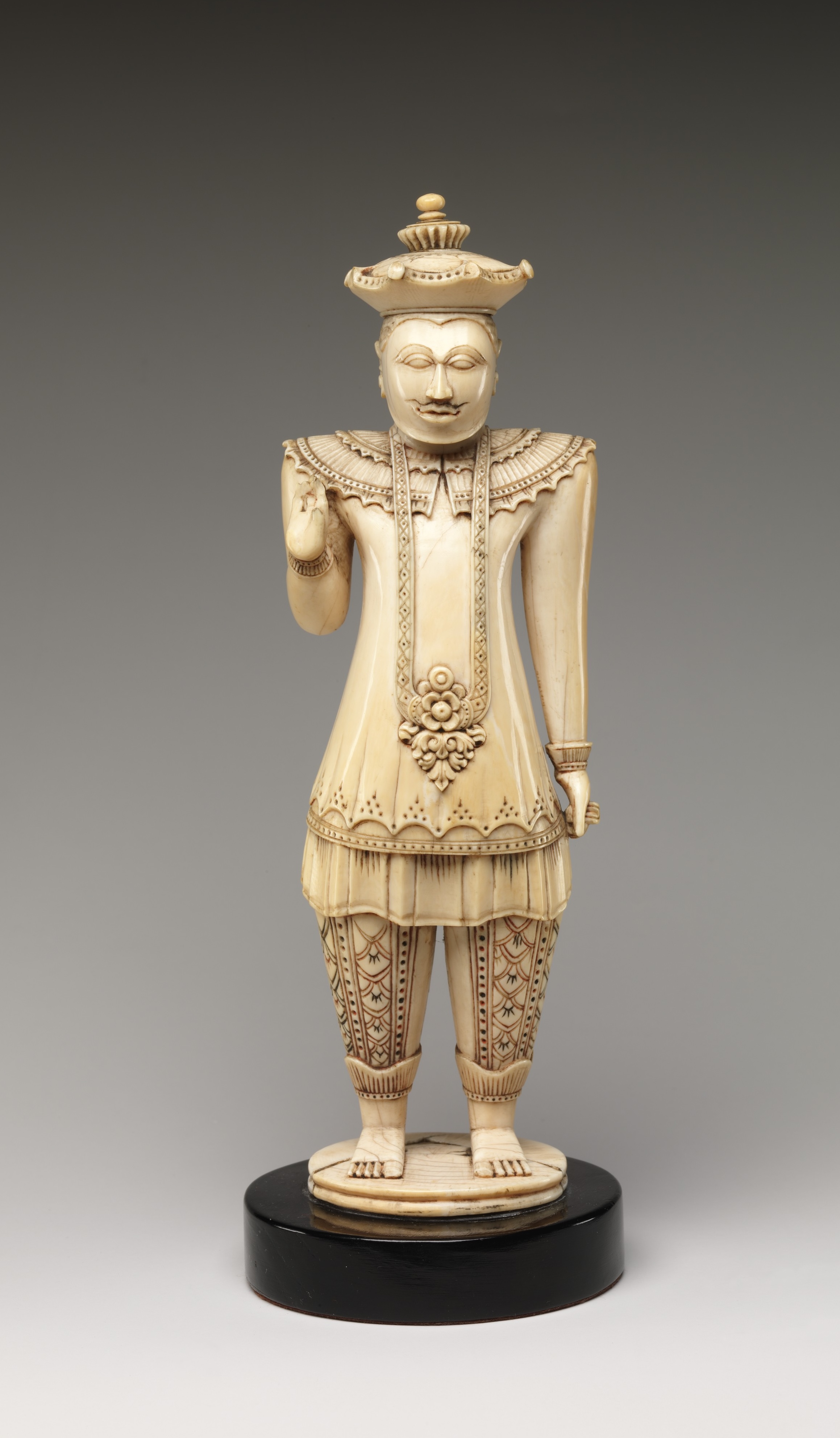
IMPORTANT INFORMATION FOR POTENTIAL DONORS
Potential donors should be aware that most museums no longer accept donations of ivory objects.
The U.S. Fish & Wildlife Service appears to be among the few institutions accepting inquiries regarding ivory donations; however, acceptance is determined solely at their discretion.
Clients are encouraged to contact the U.S. Fish & Wildlife Service directly for additional guidance regarding donation eligibility and regulatory requirements.
Please contact us using this link and we will respond promptly, To upload photos, please use the form below.